
Global Health Exhibition
Global Health Exhibition
Global Health Exhibition
Contact us
How to reach us
Whether you have a specific project in mind or need guidance on where to start, our team is here to assist you.
Health Across the Globe
London: 18-29 January 2027, Chelsea and Westminster Hospital
Cambridge: 27 April - 6 July 2026, Jesus College, Cambridge
About the Exhibition
What do a Brazilian fish, a Kenyan barbershop, and 27 cats in Beijing have in common? They all save lives. Join us on a globetrotting tour of human health like you’ve never seen it before. From historic photos of healthcare in the South Pacific to shots of modern-day health workers in the Amazon, explore the remarkable diversity of healthcare as it unfolds around the world.
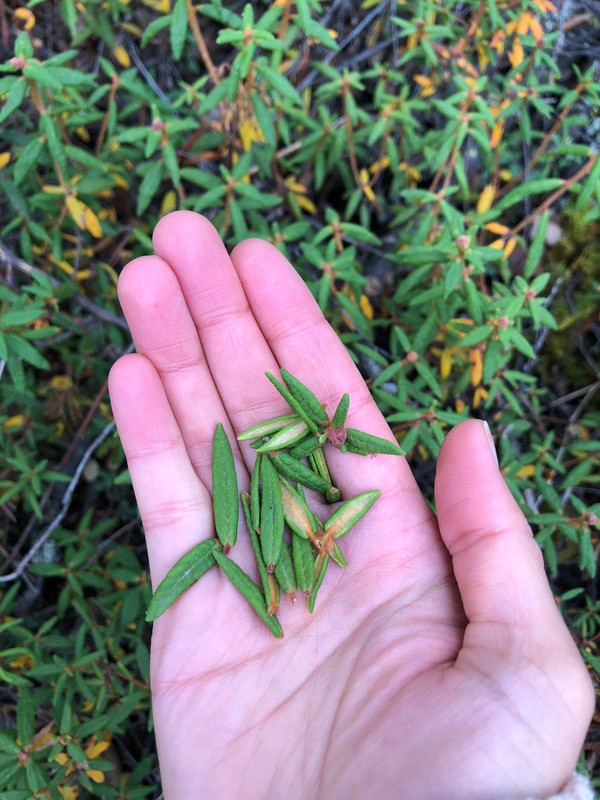
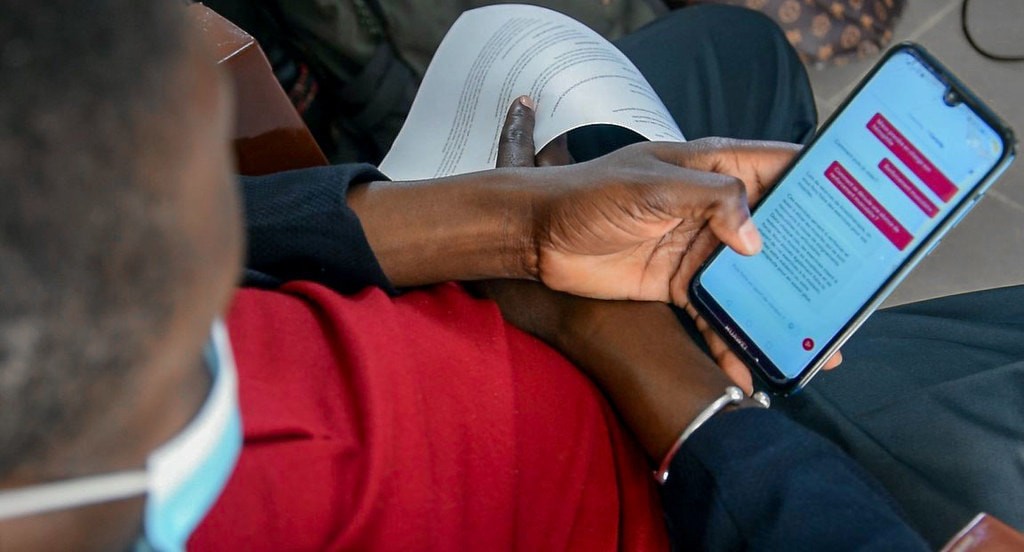
The exhibition showcases photographs and artefacts revealing what it means to access healthcare around the world — from jungle home visits to First Nations greenhouses to urban cafes. The exhibition shares inspiring stories of routine care across diverse conditions, cultures, and environments and reveals untold stories of innovation — innovation that relies less on flashy tech, and more on human ingenuity and available materials to meet the needs of many.
London: 18-29 January 2027, Chelsea and Westminster Hospital
Cambridge: 27 April - 6 July 2026, Jesus College, Cambridge
About the Exhibition
What do a Brazilian fish, a Kenyan barbershop, and 27 cats in Beijing have in common? They all save lives. Join us on a globetrotting tour of human health like you’ve never seen it before. From historic photos of healthcare in the South Pacific to shots of modern-day health workers in the Amazon, explore the remarkable diversity of healthcare as it unfolds around the world.
The exhibition showcases photographs and artefacts revealing what it means to access healthcare around the world — from jungle home visits to First Nations greenhouses to urban cafes. The exhibition shares inspiring stories of routine care across diverse conditions, cultures, and environments and reveals untold stories of innovation — innovation that relies less on flashy tech, and more on human ingenuity and available materials to meet the needs of many.


Curator
Dear friends,
In this exhibition visitors are invited to explore how healthcare unfolds in deserts and jungles, in barbershops and airplanes, and from the past to the present.
The photos and artefacts were contributed by the global academic community. Through each other we can bear witness to medicine in its many forms, from ancient botanicals to new technologies, to the enduring power of community and human connection. We hope you enjoy this trip through the ‘pluriverse’ to uncover stories of resilience, ingenuity and care.
Dorian Peters
Assistant Professor, Institute for Technology and Humanity;
Intellectual Forum Senior Research Associate, Jesus College;
University of Cambridge
Curator
Dear friends,
In this exhibition visitors are invited to explore how healthcare unfolds in deserts and jungles, in barbershops and airplanes, and from the past to the present.
The photos and artefacts were contributed by the global academic community. Through each other we can bear witness to medicine in its many forms, from ancient botanicals to new technologies, to the enduring power of community and human connection. We hope you can come and enjoy a trip through the ‘pluriverse’ to uncover stories of resilience, ingenuity and care.
Dorian Peters
Assistant Professor,
Institute for Technology and Humanity;
Intellectual Forum Senior Research Associate,
Jesus College;
University of Cambridge
Acknowledgements
Acknowledgements
Special thanks to Jesus College Archivist, Rob Payne, and the team at the Jesus College Intellectual Form. Likewise to Zheyuan Zhang and the team at Chelsea and Westminster Hospital. Deep gratitude also goes to all the researchers who contributed photos and stories to the exhibition and to Rafael Calvo, Marco da Re and Matthew Harris of Imperial College London for their support.
This exhibition was supported by funding from the Leverhulme Centre for the Future of Intelligence via a grant from the Leverhulme Trust (grant #: RC-2015-067) and by the Jesus College Intellectual Forum.
Special thanks to Jesus College Archivist, Rob Payne, and the team at the Jesus College Intellectual Form. Likewise to Zheyuan Zhang and the team at Chelsea and Westminster Hospital. Deep gratitude also goes to all the researchers who contributed photos and stories to the exhibition and to Rafael Calvo, Marco da Re and Matthew Harris of Imperial College London for their support.
This exhibition was supported by funding from the Leverhulme Centre for the Future of Intelligence via a grant from the Leverhulme Trust (grant #: RC-2015-067) and by the Jesus College Intellectual Forum.
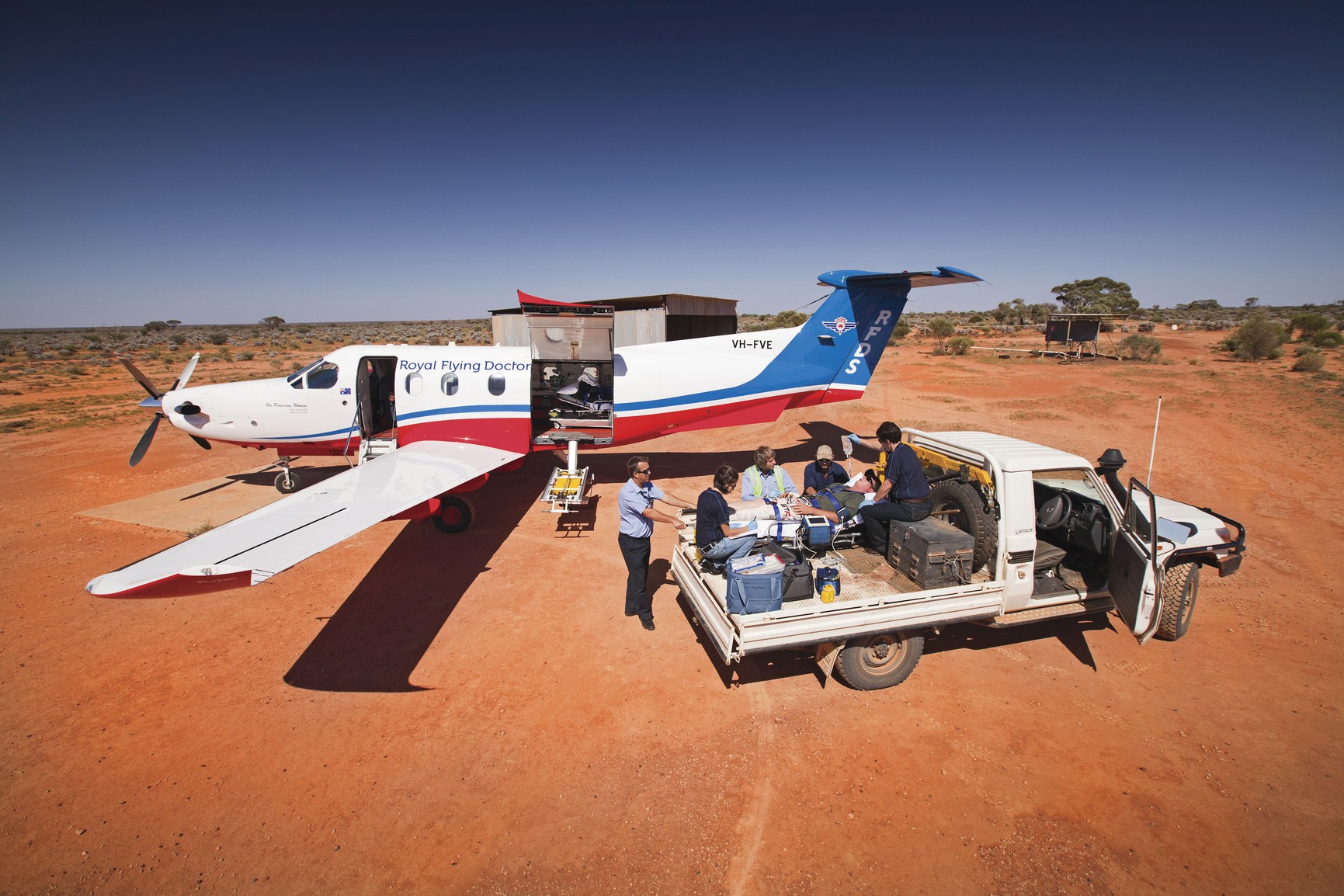
Through photographs and artefacts of everday healthcare from different parts of the world, the exhibition provides windows into the pluriverse of human creativity, compassion, and the remarkable ways we care for each other.